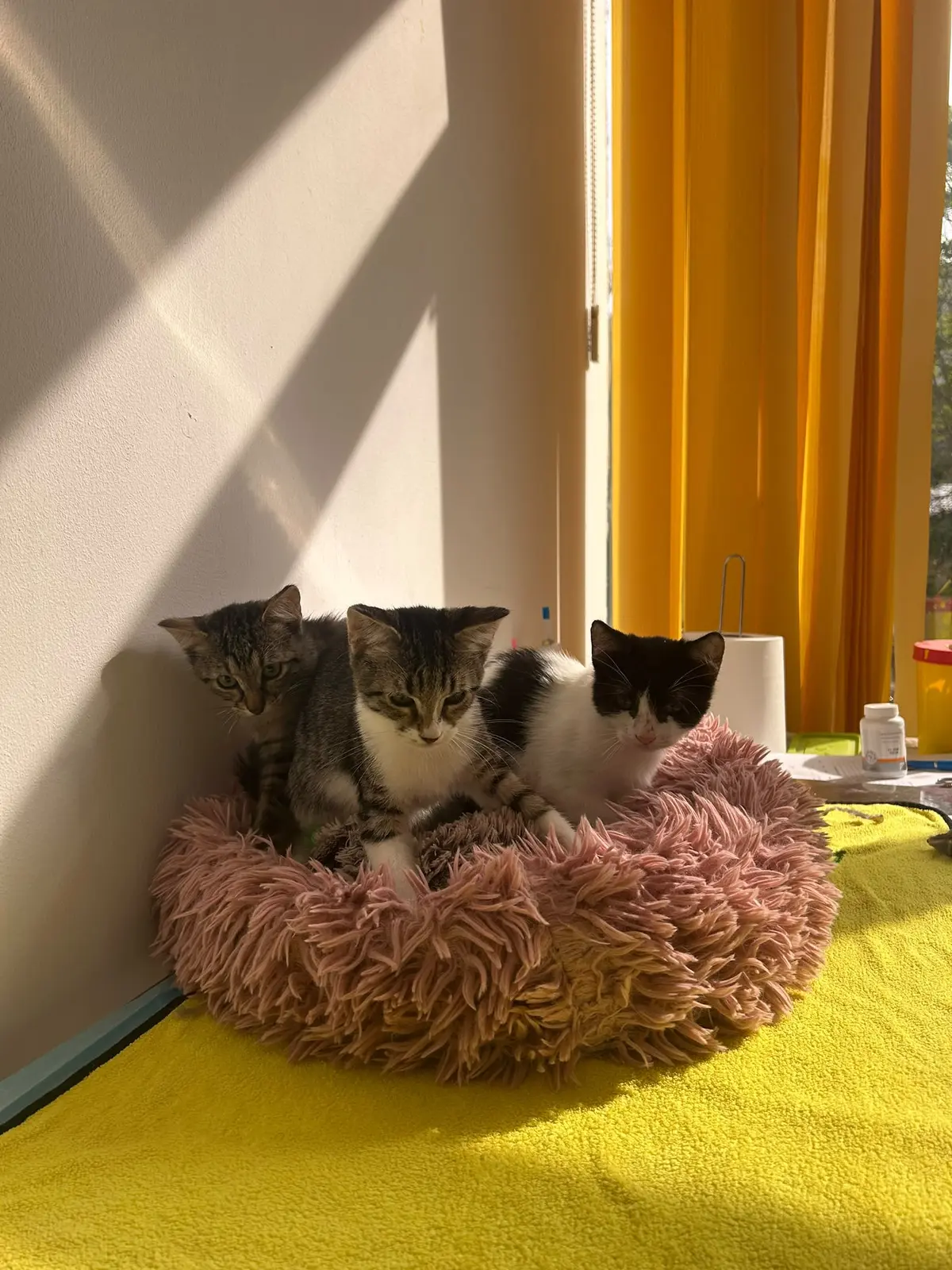
PAY MEDICAL BILL FOR 3 KITTENS
Help Pedro, Pablo and Cara, three rescued kittens who survived life-threatening respiratory infections after 51 days of veterinary care, raise €690 to cover their remaining medical expenses.
€0 raisedof €690
Animals
Reviewed by a person before publishing
Help us build Romania’s first 24/7 social veterinary hospital, providing life-saving medical care to abandoned, injured and critically ill animals, regardless of financial circumstances.
Vetline Animal Center Association is a nonprofit organisation established to support animals that cannot access essential veterinary treatment because of abandonment, neglect, injury, serious illness or financial hardship.
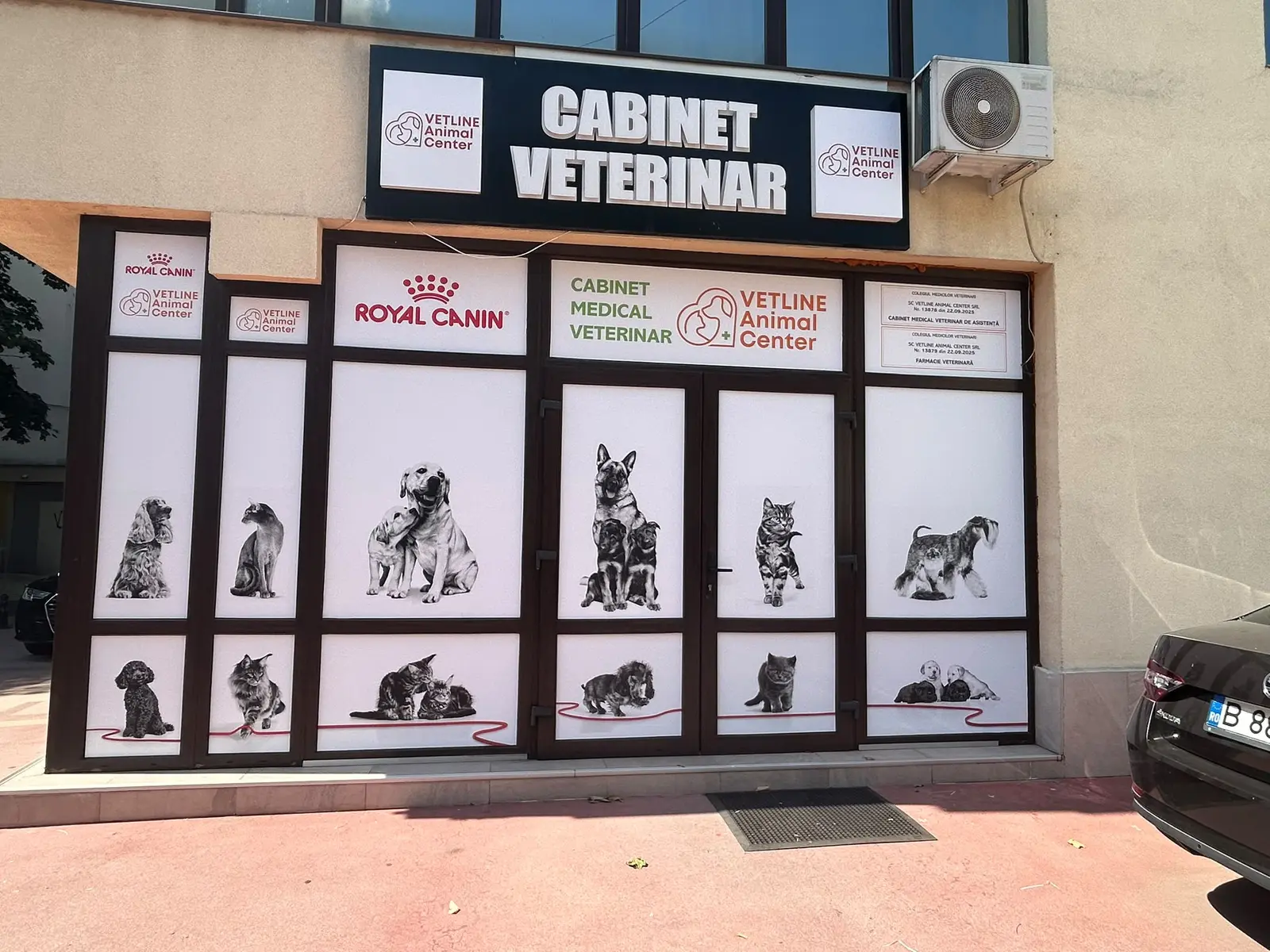
The association operates in connection with Vetline Animal Center, a veterinary medical facility in Bucharest, Romania.
Our activities focus on the relationship between veterinary medicine and social responsibility.
We believe that veterinary professionals have an important role not only in treating privately owned animals but also in addressing the medical needs of vulnerable animals within the wider community.
Our beneficiaries include stray animals, abandoned animals, animals rescued from dangerous circumstances and pets belonging to families who cannot afford necessary treatment.
We also support independent rescuers and animal welfare initiatives whose resources are insufficient to cover complex medical cases.
Our mission is to improve animal welfare by making essential veterinary services accessible to animals in need, regardless of the financial circumstances of their owners or rescuers.
We aim to reduce preventable suffering, provide appropriate medical treatment, promote responsible animal care and strengthen veterinary education.
Our long-term vision is to establish a recognised social veterinary hospital in Bucharest that operates 24 hours a day, seven days a week.
The hospital will combine advanced veterinary medicine with a structured programme of free and subsidised treatment.
We want to demonstrate that high-quality veterinary medicine and social responsibility can exist within the same institution.
Vetline Animal Center was developed through the professional commitment of Dr. Mihai Dragoș Mușu, a Romanian veterinarian who has practised veterinary medicine since 2014.
Throughout his career, Dr. Mușu has encountered numerous situations in which animals required urgent or complex medical treatment but their owners or rescuers could not afford the necessary care.
These experiences highlighted an important gap between the medical treatment available and the financial resources of many people seeking help for animals.
In some cases, treatment could be provided at a reduced cost.
In others, the veterinary team had to contribute its own financial resources to purchase medication, provide hospitalisation or perform necessary procedures.
Over time, these experiences led to the development of a broader objective: creating a veterinary institution where social medical care would become an organised, permanent service rather than an occasional act of charity.
The association was established to give structure and continuity to the support already being offered to vulnerable animals.
Our intention was to move beyond individual emergency interventions and develop a transparent, sustainable system through which donations, professional expertise and medical infrastructure could be directed towards animals in need.
The association allows us to coordinate social cases, seek external funding, develop partnerships and establish longer-term programmes.
It also provides a foundation for our most ambitious objective: the development of a 24-hour social veterinary hospital.
Veterinary treatment can represent a significant financial burden, particularly when an animal requires surgery, intensive care, advanced diagnostics or prolonged hospitalisation.
For abandoned animals, there may be no owner responsible for covering these costs.
Independent rescuers frequently rely on personal savings, donations and informal support networks.
Families experiencing financial difficulties may also struggle to afford necessary medical treatment for their pets.
The result is that some animals receive delayed care, incomplete treatment or no treatment at all.
A serious veterinary case may require several services at the same time, including laboratory investigations, diagnostic imaging, medication, intravenous therapy, surgery, oxygen supplementation and intensive monitoring.
These costs increase when treatment continues for days or weeks.
Infectious diseases, traumatic injuries and critical medical conditions can require substantial resources.
Without an organised funding mechanism, the ability to help such animals depends on the financial capacity of individual rescuers, veterinary clinics or nonprofit organisations.
Medical emergencies do not occur only during regular working hours.
Animals may require urgent intervention during the night, on weekends or on public holidays.
A 24-hour veterinary service can improve access to timely medical assessment, stabilisation and appropriate treatment.
However, continuous operation requires qualified personnel, reliable equipment, suitable facilities and adequate financial resources.
These requirements form a central part of the Vetline Animal Center 24/7 project.
Since 2025, Vetline Animal Center and the association have supported more than 200 animals through medical care and related assistance.
Our activities have included treatment for infectious diseases, emergency stabilisation, surgery, diagnostic investigations, hospitalisation and rehabilitation.
We have also supported animals rescued from abandonment, severe illness and traumatic injuries.
The number of animals requiring assistance has placed increasing pressure on our available resources
One of the most important advantages of the Vetline Animal Center 24/7 project is that we already have a veterinary facility with significant medical infrastructure. Our project does not depend on constructing an entirely new hospital from the ground up. Instead, we propose to develop and expand the services of an existing facility. The building is organised across four levels.
The ground floor includes: Reception and patient admission facilities, Two veterinary consultation rooms, A professional veterinary ultrasound system, Areas for initial clinical assessment and outpatient services.
The first floor includes: Digital radiography facilities, An in-house diagnostic laboratory, Two operating rooms, Intensive care capacity for approximately 12 patients, An infectious disease isolation area with capacity for approximately five patients, Preoperative and postoperative care areas.
The second floor is dedicated to animal accommodation and hospitalisation. This level supports the hospitalisation and recovery of animals requiring ongoing veterinary supervision.
The third floor is dedicated to veterinary education. It provides space for professional workshops, lectures, practical demonstrations and other training activities. We have made this space available to educational partners without charging rental fees for the events hosted under this arrangement. We believe that supporting veterinary education is part of our responsibility to the wider animal welfare community.
Vetline Animal Center already possesses a range of equipment used for veterinary diagnosis, treatment, surgery and patient monitoring. For investigations beyond our internal capabilities, we work with external diagnostic laboratories.These include Exavet Medical, SynevoVet, Histovet and LABOKLIN.
A 24-hour veterinary hospital requires more than medical equipment. It requires qualified professionals capable of working together across clinical disciplines and throughout the day and night. The proposed expansion will therefore prioritise recruitment, professional development and the establishment of reliable staffing arrangements. The hospital will require veterinarians, veterinary nurses or assistants, animal care personnel and operational support staff. Clinical collaboration with specialists will remain important for cases requiring advanced expertise. The organisational structure will distinguish between permanent employees, external clinical collaborators and invited educational lecturers.
This distinction is essential for accurate reporting and transparent communication with funders.
At Vetline Animal Center, we believe that veterinary education is one of the most effective long-term investments in animal welfare. A veterinarian who develops new skills may use those skills to improve the care of many animals throughout their career. For this reason, we have dedicated the third floor of our building to professional education. We have supported the organisation of veterinary workshops and training activities, including events delivered in collaboration with external educational partners. Our educational relationships include organisations such as VetAkademos, Maravet, VetDiagnostic and Daisy Medical. We aim to continue developing opportunities for practical training, knowledge exchange and professional collaboration.
Medical equipment and infrastructure
Veterinary and support personnel
Medication, consumables, food, laboratory services and operations
Building improvements and regulatory compliance
Veterinary education and community programmes
Emergency medical reserve
Building rent
Contingency funding
Updates, receipts, deliveries and follow-ups posted by the organiser. Each one is recorded in our append-only impact log.
No updates yet. Organisers are asked to post a receipt or delivery within 60 days of receiving money.
Something wrong with this cause? Report it. A person reviews every report.
Help Pedro, Pablo and Cara, three rescued kittens who survived life-threatening respiratory infections after 51 days of veterinary care, raise €690 to cover their remaining medical expenses.